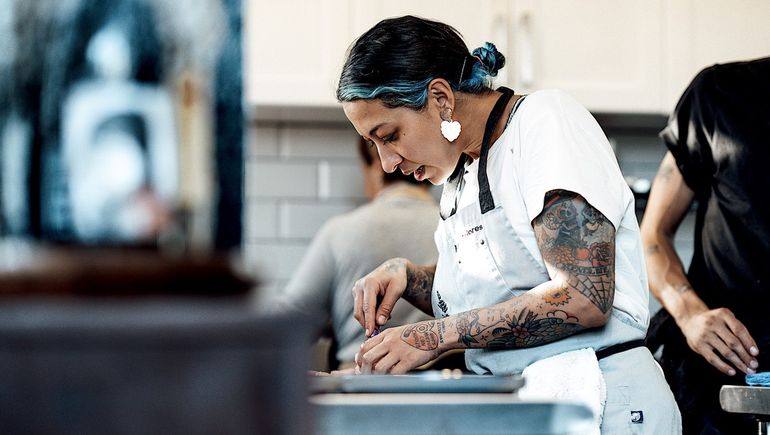
The Mexican chef found an authentic cuisine at Esquina Común, born from respect for the ingredient, the legacy of her mentor Yuri de Gortari, and teamwork.
"What I cook is me." That's how Ana Dolores, chef at Esquina Común in La Condesa, begins her story. In most mouths, the line would sound like a slogan. In hers, it's a way of life.
The project began almost by accident in 2021. What started as an art space turned into a tiny fourteen-seat restaurant in La Roma Norte. They hauled the mise en place over in Ubers and cooked alongside Ana's mother. A New York Times critic wrote about the place, and reservations multiplied overnight. With rent tripling, they moved to a wrecked terrace in La Condesa and rebuilt it from scratch. "We had just 400 pesos left after putting everything into it," she recalls. That's how Esquina Común was born: open Thursday through Sunday, with an approach that rejects showy luxury.
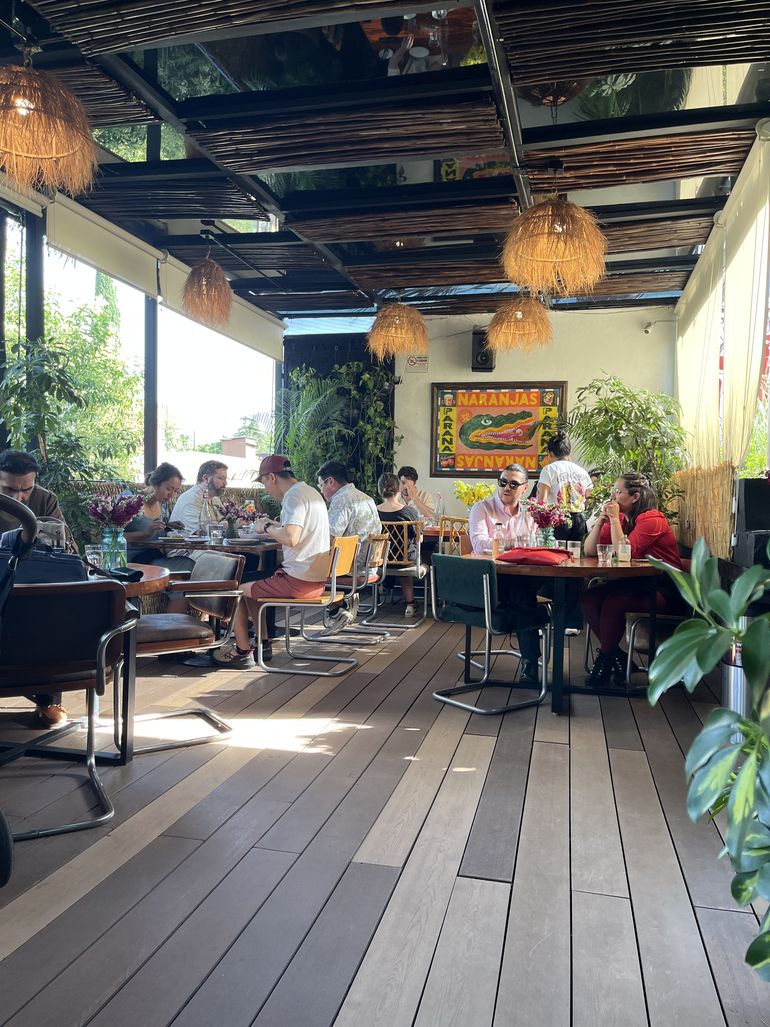
International critics took notice early on. The Michelin Guide awarded her a star. What began as selling tamales over Instagram ended up as one of the most sought-after tables in Mexico City.
Yuri de Gortari's name runs through both Ana Dolores's life and her cooking. He was a cook, historian, educator, and artist who devoted his life to rescuing Mexico's culinary richness. He founded the Escuela de Gastronomía Mexicana together with Edmundo Escamilla, teaching from the roots up: metates, comales, nixtamal, and techniques passed down through generations.
Meeting him was decisive for Ana. "I was studying at a French culinary school and felt empty. One day I turned on the TV and saw Yuri in his suit, talking about corn and molcajetes. He had me in seconds." With her family's support, she enrolled in his school, and that marked a turning point in her path.
"Yuri was my mentor in life. He taught me to value Mexican cuisine not just as technique, but as culture. He made me understand I didn't need to disguise myself as something I wasn't."
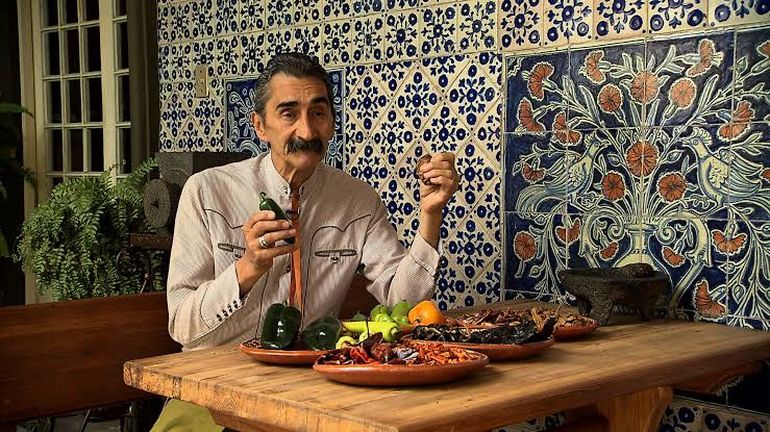
De Gortari combined academic knowledge with captivating storytelling. Ana describes him as "a beautiful soul, full of light," who showed her cooking as a mirror of identity. "Without him, I wouldn't be the cook I am today," she says.
At Esquina Común there's no sprawling tasting menu. The approach is concrete: six savory courses and one dessert, inspired by traditional Mexican fondas. "We do it this way because I don't want to stress out my team or myself. I'd rather give the best of what we have," she explains.
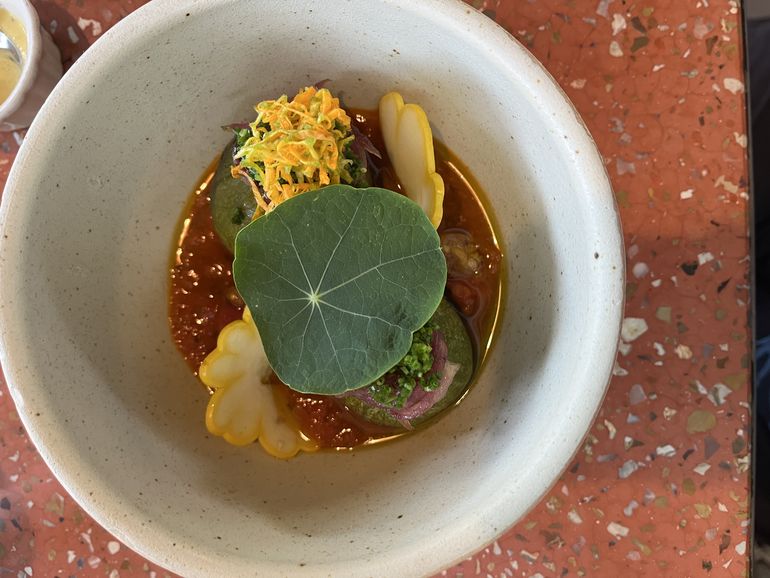
Every Wednesday, Ana walks through Mexico City's Mercado Jamaica, buying flowers, fresh herbs, meats, and produce that shape her weekly menu. "I like talking to the vendors, hearing what they have, choosing the best of the season. That's the foundation of everything: if the ingredient is good, the dish almost cooks itself."
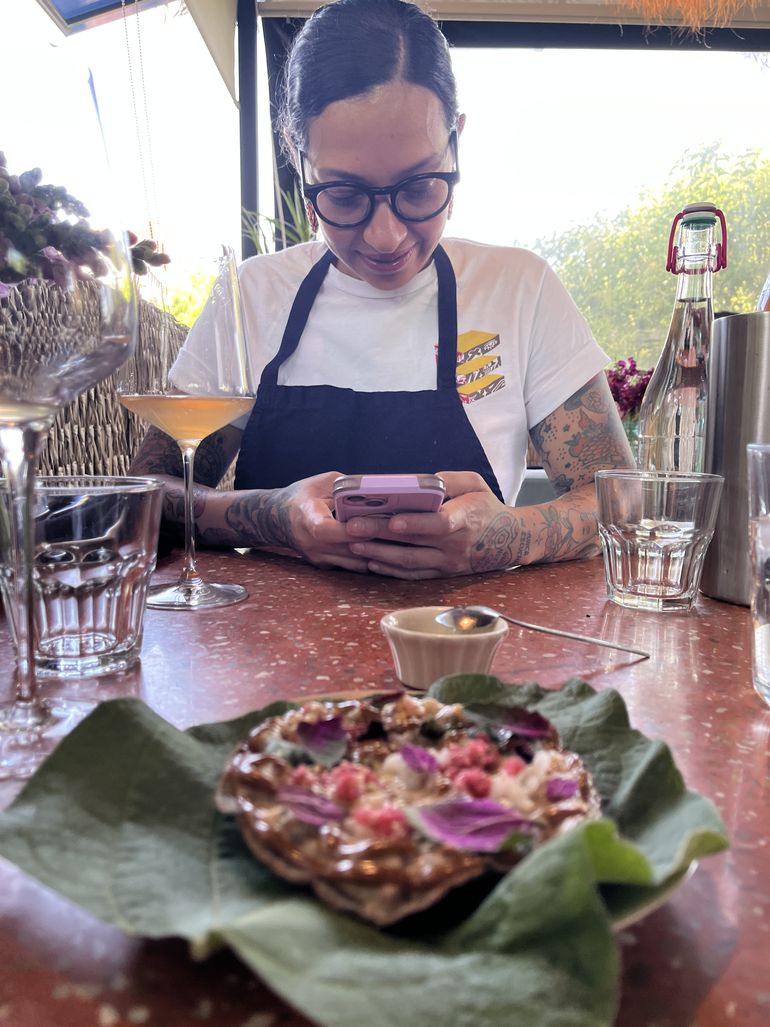
Ana insists that "the team is everything." "Without them I can't do anything. My responsibility is that they're well, that they learn, that they enjoy it. I don't want to repeat the abuse I lived through: shouting, mistreatment, drugs to get through endless shifts. That's over," she maintains.
From the beginning, her mother, her partner, and her friend Jimena formed the first core of trust. Today the group has grown but keeps the same spirit.
The Michelin star brought early pressure. "At first I felt this horrible pressure, it scared me. There was criticism saying: 'how do you give a star to a restaurant that started out selling tamales on Instagram?'" she recalls. Police even showed up to check the paperwork.
The recognition also brought concrete improvements: a renovated space, new equipment, and job stability. With reservations booked out for months, Ana treats the Michelin star as a tool, not an identity. In 2026, Esquina Común still holds its Michelin star.
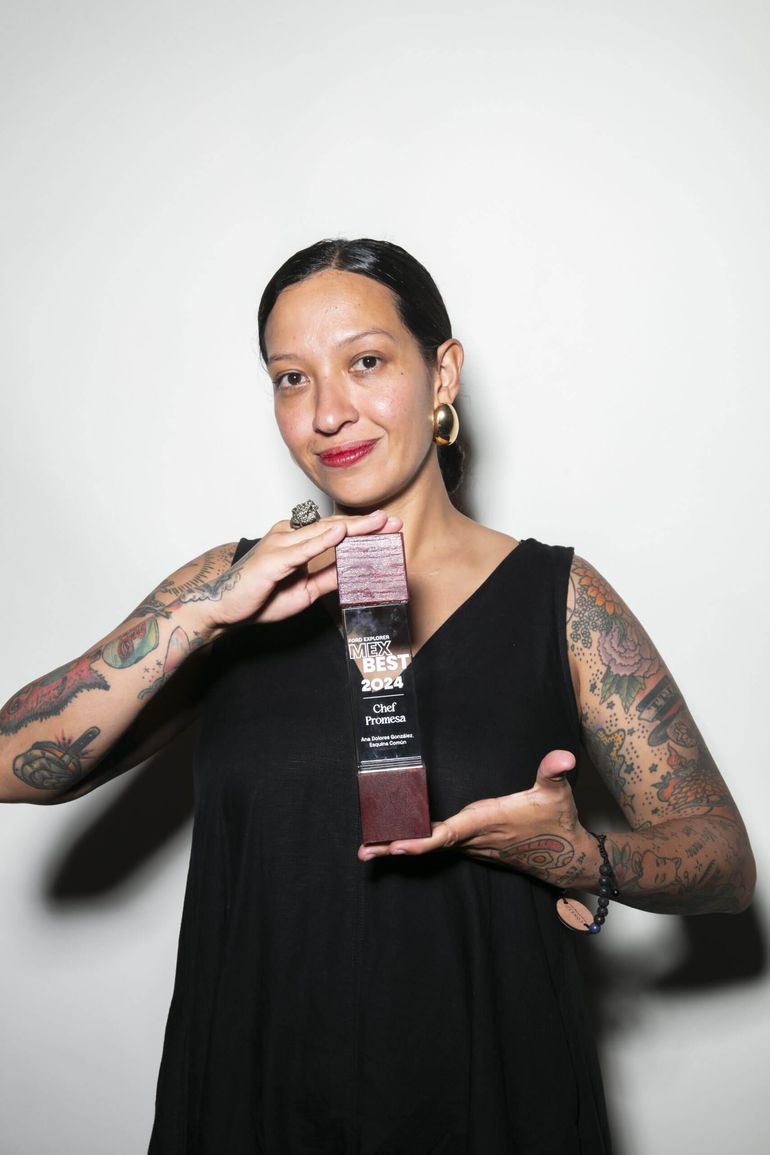
"I'm not going to fool myself about the cooking I do. The cooking is me. And I'm not going to change because a guide says so."
Being a woman in Mexican gastronomy came with obstacles. "They'd box you into pastry or cold prep, as if you couldn't give more," she notes. She went through harassment that reinforced her resolve not to repeat those patterns.
Aware of the country's contradictions, Ana doesn't dodge them: "Yes, we live in a narco-state. I had to leave my house during the pandemic because of narco activity. That's part of our contradictions. But at the same time, Mexico is hospitality, markets, handmade tortillas, birria in Colonia Guerrero. That's also who we are."
Asked about her dreams, Ana answers without hesitation: "I don't have big dreams. I want to be well myself, and for Esquina to be well, for my team to be well. That's enough to keep creating."
In a landscape of inflated egos and brand narratives, her cooking stands for memory, presence, and resistance. A common corner that turns out extraordinary, celebrating life in every dish.